Source Cross Country Light Truck Tire for Fleet, Haulage, and Delivery
Find 30 cross country light truck tire options with radial and bias-belted designs. Compare sizes from 15 to 18 inches, tubeless and inner tube variants, and certifications like ECE and DOT for diverse commercial needs; compare the available evidence and request quotations based on your requirements.
Key considerations
Products List




Comprehensive Sourcing Guide
Cross Country Light Truck Tire Sourcing Guide
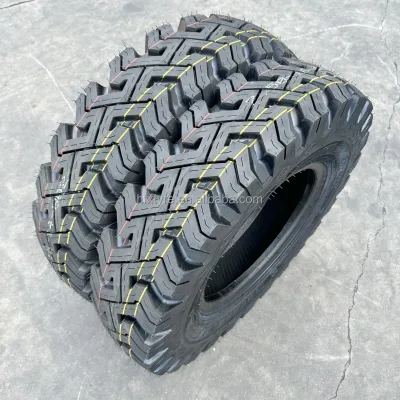
Sourcing cross country light truck tires requires a strategic balance between off-road capability and on-road durability, particularly for vehicles operating in mixed terrain conditions. Buyers must first define the operational environment, as tires designed for highway use differ significantly from those built for mud and snow applications. The observed market data indicates a wide range of tread patterns, including highway, transverse, and mud-and-snow designs, which directly impact traction and wear characteristics. Understanding these distinctions is critical for selecting the correct tire profile that meets specific load and terrain requirements without compromising fuel efficiency or safety.
Procurement teams should also consider the structural design of the tire, such as radial versus bias-belted constructions, as these influence handling stability and load-bearing capacity. Radial tires are generally preferred for modern light trucks due to their improved heat dissipation and ride comfort, while bias-belted options may offer enhanced sidewall strength for extreme off-road use. Additionally, the availability of customization options allows buyers to tailor specifications to their fleet’s unique needs, ensuring that the selected tires align with both performance expectations and budgetary constraints.
Product Scope and Observed Listing Signals
The current market for cross country light truck tires presents a diverse array of models, with observed diameters ranging from 15 to 18 inches and widths typically starting at 225mm. Specific models such as 245/70R16LT, 235/65R16C, and 225/55R18LT are frequently listed, indicating a strong focus on light truck and commercial vehicle applications. Buyers should note that tire hierarchies, such as 14PR ratings, suggest heavy-duty construction suitable for demanding cross-country routes. The presence of both tubeless and inner tube options further expands the scope, allowing for flexibility based on wheel compatibility and puncture resistance preferences.
Seasonal versatility is another key signal, with many listings highlighting all-season capabilities, which are essential for cross-country travel where weather conditions can change rapidly. The inclusion of spare tire types, ranging from non-full size to full-size spares, suggests that some suppliers offer comprehensive mobility solutions. Furthermore, the availability of various brands, including Yusta, Sentury, and Landsail, provides buyers with multiple sourcing channels. It is important to verify that the specific tire design matches the intended cross-country usage, as not all listed products may be optimized for rugged terrain.
Technical Specifications to Verify
When evaluating technical specifications, buyers must prioritize tread pattern compatibility with cross-country environments. Tires featuring mud and snow patterns offer superior traction in loose or slippery conditions, while transverse patterns may provide better stability on paved surfaces. The cord material, often nylon, plays a crucial role in puncture resistance and overall durability. Buyers should verify the exact construction type, whether radial or bias-belted, to ensure it aligns with the vehicle’s load index and speed rating requirements. Additionally, the absence or presence of an inner tube should be confirmed to prevent compatibility issues with existing wheel assemblies.
Diameter and width specifications are critical for ensuring proper fitment and clearance. Observed diameters of 15, 16, 17, and 18 inches cater to various light truck models, while widths of 225mm or more provide enhanced stability. Buyers should also check for customization options, as some suppliers allow for tailored specifications to meet unique operational needs. The condition of the tires, typically new, and the packing method, such as plastic paper or custom requirements, should be verified to prevent damage during transit. Ensuring that all technical parameters match the vehicle’s manual is essential for safe and efficient cross-country operation.
Compliance and Safety Documentation
Compliance with international standards is non-negotiable for cross country light truck tires, especially when operating across different regions. Certifications such as ECE, ISO, DOT, CCC, and CE indicate adherence to rigorous safety and quality benchmarks. Buyers must verify that the tires meet the specific regulatory requirements of the destination country, as standards like Smark, REACH, and GCC vary by region. The presence of multiple certifications on a single product suggests a high level of quality control, but it is essential to confirm that these certifications are current and applicable to the specific tire model being purchased.
Safety documentation should also include detailed information on tire hierarchy and load capacity, which are critical for heavy-duty applications. Buyers should request test reports or performance data that validate the tire’s durability under cross-country conditions. Additionally, the origin of the tires, often China or China Shandong, should be considered in the context of supply chain reliability and quality consistency. Ensuring that all compliance documents are accurate and up-to-date helps mitigate legal risks and ensures that the tires are suitable for their intended use.
Cost Drivers and Commercial Terms
Cost drivers for cross country light truck tires include the complexity of the tread design, the quality of raw materials, and the tire’s load hierarchy. Higher PR ratings and specialized rubber compounds, such as natural rubber blends, typically increase production costs but offer better performance and longevity. Buyers should also consider the impact of customization options on pricing, as tailored specifications may incur additional fees. The observed price range of $11.59 to $600 USD reflects this variability, with higher-end models commanding premium prices due to their advanced features and durability.
Commercial terms, including MOQ and delivery times, significantly influence the total cost of ownership. An MOQ of 1*20gp is common, allowing for flexible ordering, while delivery times of within 15 days or two weeks after deposit ensure timely replenishment. Buyers should negotiate favorable payment terms and clarify any additional costs related to shipping and handling. The availability of mix orders can also reduce inventory costs by allowing for a diverse range of tire sizes and types in a single shipment. Understanding these commercial dynamics helps buyers optimize their procurement strategy and manage cash flow effectively.
Supplier Qualification and Quality Control
Supplier qualification is a critical step in ensuring the reliability of cross country light truck tire sourcing. Buyers should assess suppliers based on their production capacity, quality management systems, and track record in the industry. Suppliers with multiple certifications, such as ISO and ECE, demonstrate a commitment to quality and compliance. It is also important to verify the supplier’s ability to handle customization requests and provide consistent product quality across different batches. Engaging with suppliers who offer a wide range of brands and models can provide greater flexibility and competitive pricing.
Quality control measures should be implemented throughout the procurement process, from initial sampling to final inspection. Buyers should request detailed product specifications and test results to verify that the tires meet their performance requirements. Establishing clear communication channels with suppliers ensures that any issues are addressed promptly. Additionally, conducting regular audits or third-party inspections can help maintain quality standards and identify potential risks early. Building strong relationships with qualified suppliers fosters trust and ensures a steady supply of high-quality tires for cross country operations.
Long-Term Procurement Checks
Long-term procurement checks involve continuous monitoring of supplier performance and product quality to ensure sustained value. Buyers should establish key performance indicators (KPIs) to track delivery times, defect rates, and customer satisfaction. Regular feedback loops with suppliers help identify areas for improvement and foster collaborative problem-solving. Additionally, staying informed about industry trends and technological advancements allows buyers to make proactive adjustments to their sourcing strategies. This ongoing evaluation ensures that the procurement process remains efficient and aligned with business objectives.
Risk management is another essential aspect of long-term procurement. Buyers should diversify their supplier base to mitigate the impact of supply chain disruptions. Developing contingency plans for potential shortages or quality issues ensures business continuity. Furthermore, investing in supplier development programs can enhance the overall quality and reliability of the supply chain. By maintaining a strategic focus on long-term partnerships and continuous improvement, buyers can secure a stable supply of high-quality cross country light truck tires that support their operational needs.
FAQs
What certifications are available for cross country light truck tires?
Certifications include ECE, ISO, DOT, CCC, CE, FCC, RoHS, GS, Smark, REACH, GCC, and SONCAP. These standards ensure compliance with international safety and quality regulations. Buyers can select tires based on specific regional requirements, ensuring legal operation and safety across different markets.
Can I customize the packaging for cross country light truck tires?
Yes, customization is available for packaging requirements. Options include standard plastic paper or specific configurations as per your requirement. This flexibility allows buyers to protect the tires during transit and meet their own logistical or branding needs without compromising product integrity.
What is the typical delivery time for cross country light truck tires?
Delivery time is typically within 15 days after deposit or two weeks. This rapid turnaround supports efficient supply chain management. Buyers can plan inventory replenishment with confidence, knowing that production and shipping schedules are optimized to minimize delays and keep operations running smoothly.
Which tire models are available for cross country light truck applications?
Available models include 245/70R16LT, 235/65R16C, 225/70R16LT, 235/75R16LT, 225/55R18LT, 215/60R17LT, and 750-16. These specifications cover various diameters from 15 to 18 inches. Buyers can choose the exact size that matches their vehicle's load and performance requirements.
What is the minimum order quantity for cross country light truck tires?
The minimum order quantity is 1*20gp container. This standard container size allows for substantial volume purchasing while remaining accessible for many businesses. Buyers can benefit from economies of scale, reducing per-unit costs and ensuring consistent supply for their fleet or distribution network.
Are mixed brand orders allowed for cross country light truck tires?
Yes, mixing brands is allowed. Buyers can combine products from various manufacturers such as Yusta, Sentury, Delinte, Landsail, and others. This flexibility enables procurement teams to diversify their supply base, compare performance, and select the best value options for different vehicle types.